
NATURAL
STONE PAVING
BASINGSTOKE.
Enhancing outdoor living spaces with high-quality stone surfaces built for lasting performance.






GET A FREE QUOTE
OUR SERVICES
VIEW OUR WORK
CLIENT REVIEWS
HAVE A QUESTION?
PROFESSIONAL NATURAL STONE INSTALLATION.
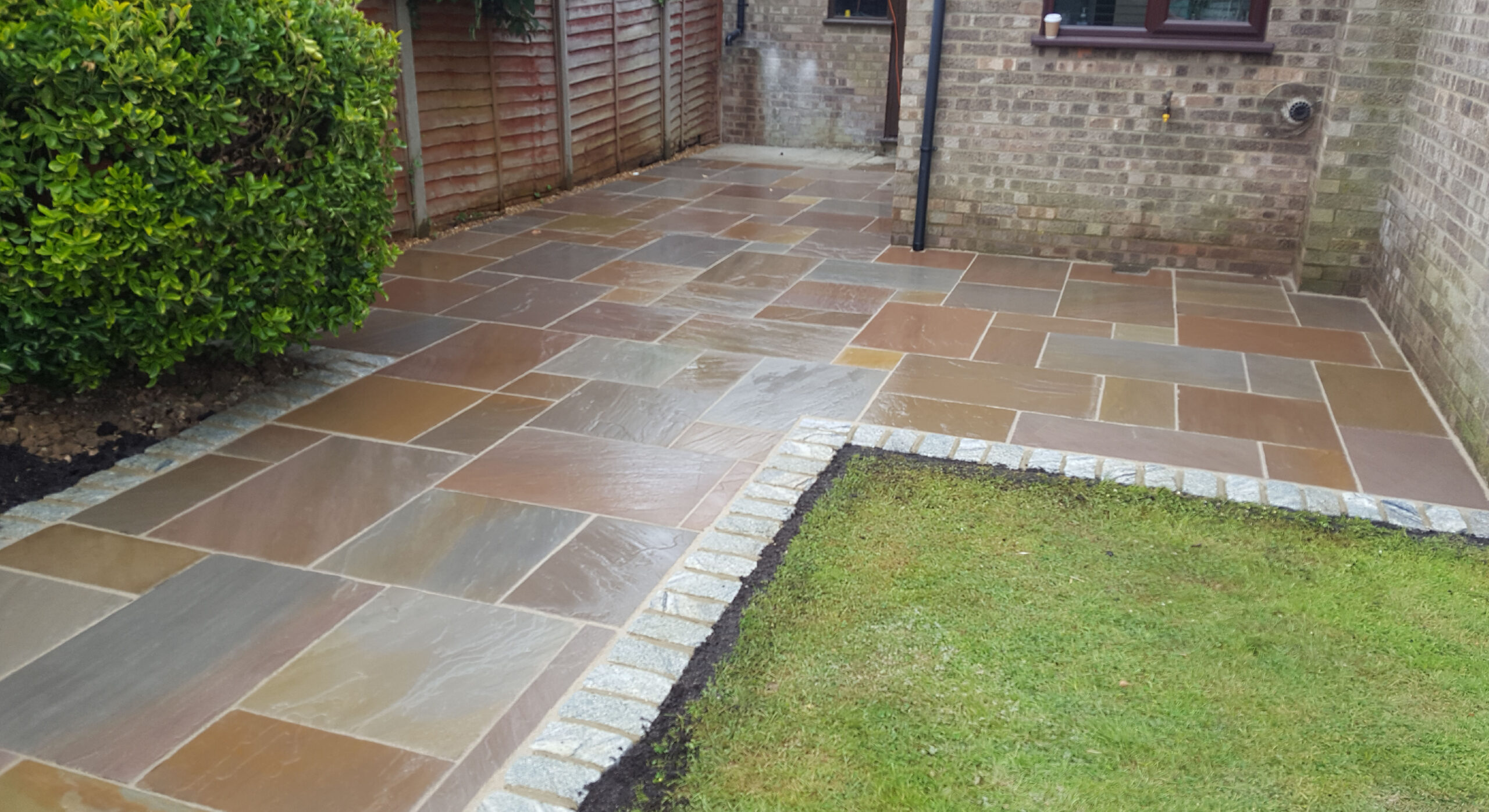
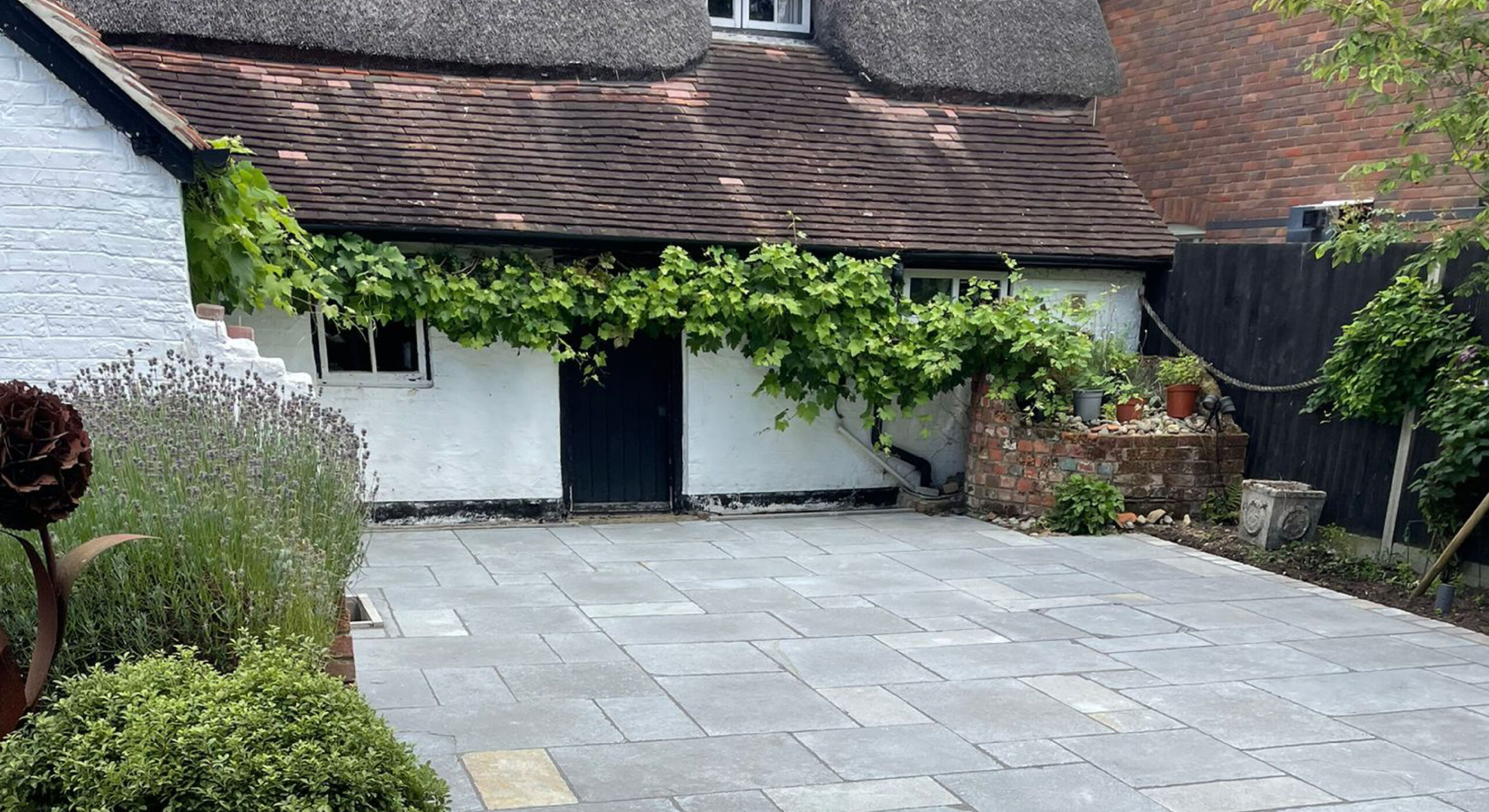
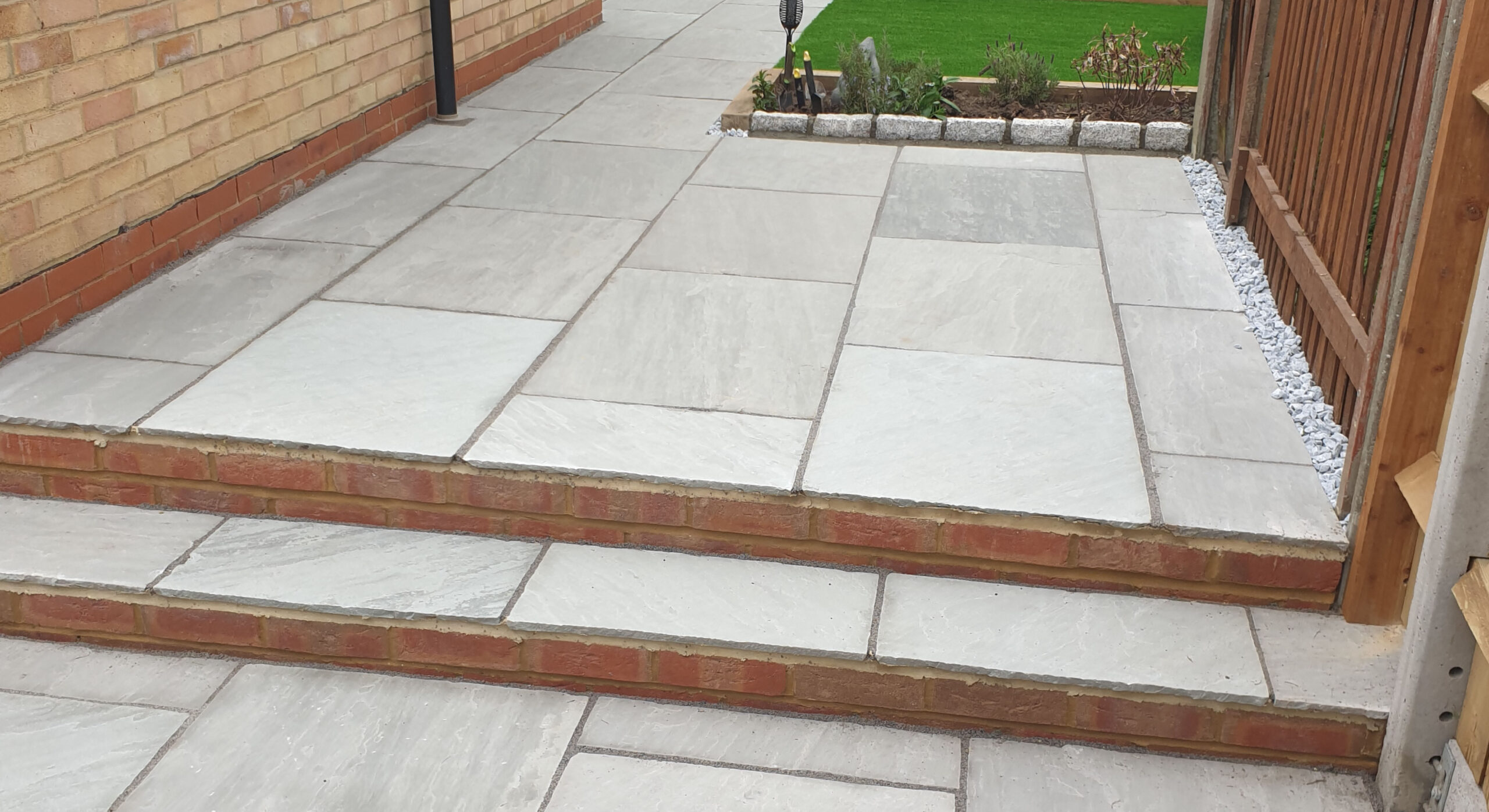
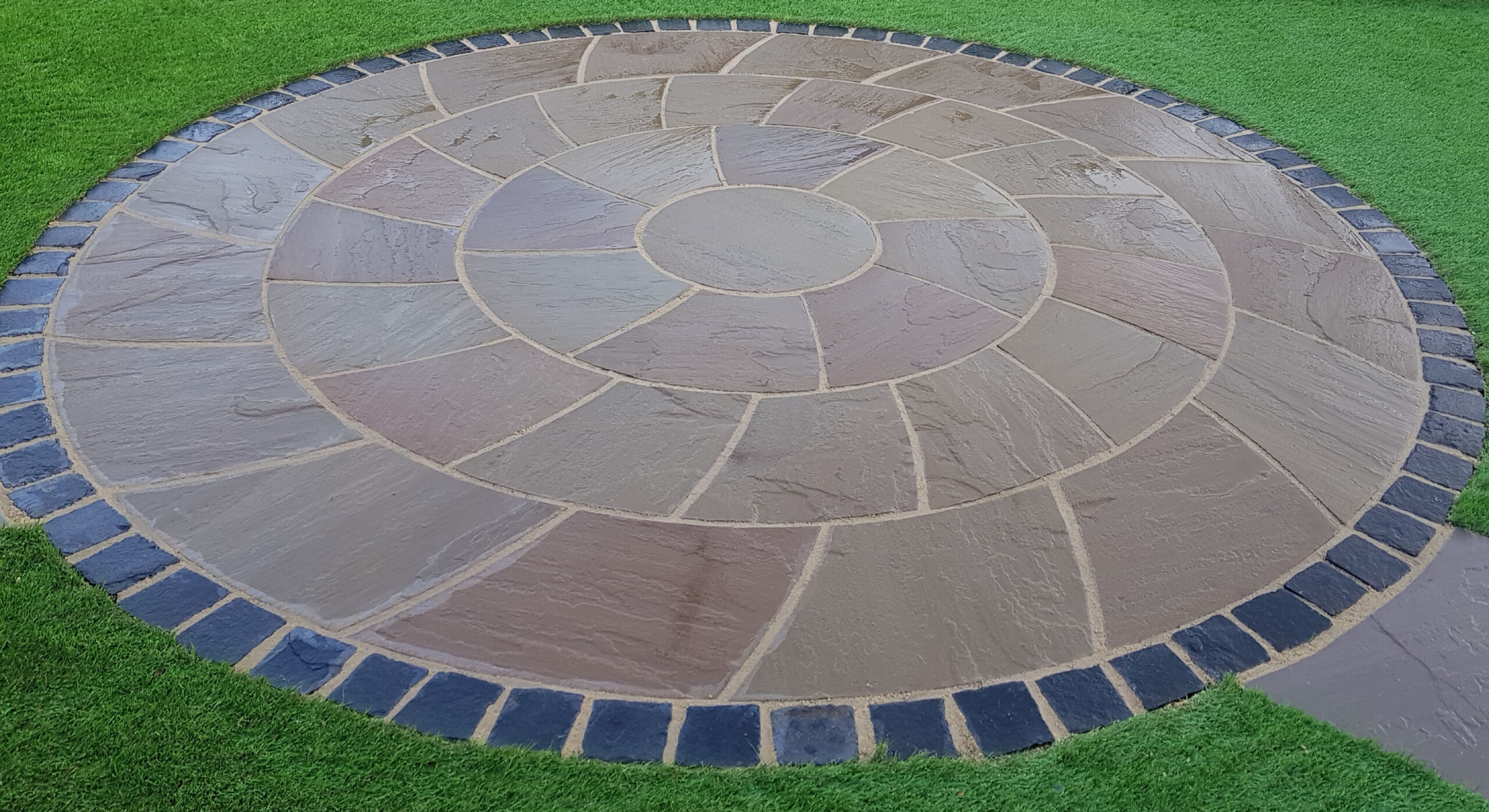
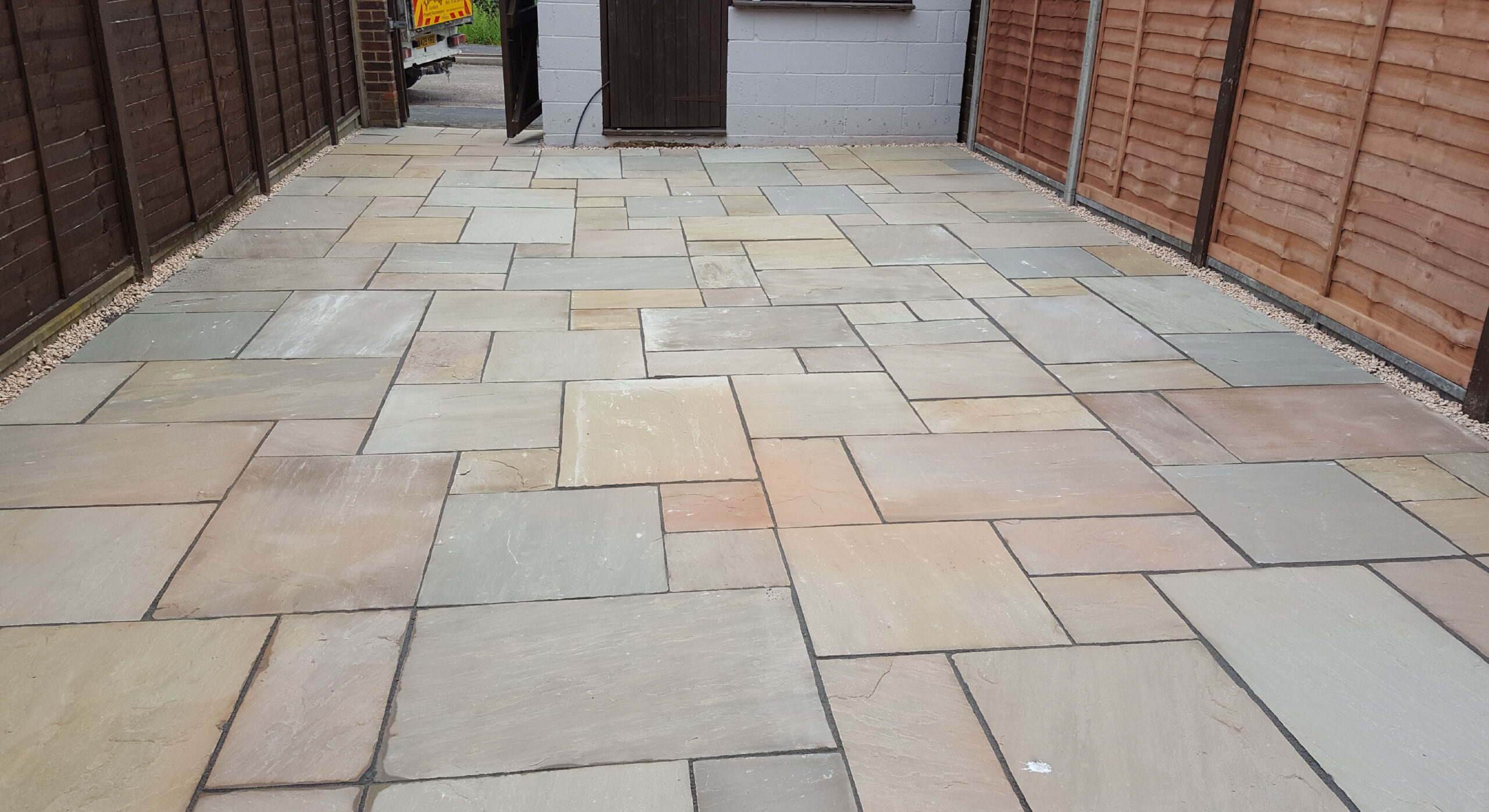
Transform your garden into a striking, durable outdoor living space with premium natural stone paving from Landscaper Basingstoke. Whether you are dreaming of a warm, traditional Indian sandstone patio or a sleek, contemporary granite terrace, our expert landscape gardeners deliver flawless installations built to withstand British weather for decades.
WHY CHOOSE NATURAL STONE FOR YOUR GARDEN?
OUR NATURAL STONE INSTALLATION PROCESS.
A great patio is only as good as the ground beneath it. At Landscaper Basingstoke, we never cut corners on ground preparation or sub-bases.
Site Excavation & Base Preparation: We excavate the area to the correct depth, ensuring proper drainage falls away from your property. We lay and compact a heavy-duty Type 1 MOT sub-base for structural stability.
Full Mortar Bed Laying: Every stone is laid onto a solid 40–50mm wet mortar bed (never spot-bedded), ensuring complete coverage underneath so slabs won’t rock, crack, or harbour weeds.
Priming for Maximum Bond: We apply a high-performance polymer slurry primer to the back of every slab to form an unbreakable bond between the stone and the mortar bed.
Jointing & Weather-Proofing: We point the joints using high-strength brush-in jointing compounds or traditional mortar for a clean, durable finish that stops weed growth and withstands frost.
FREQUENTLY ASKED QUESTIONS.
What are the most popular types of natural stone paving?
The most popular choices for UK gardens and patios are Indian Sandstone, Limestone, Granite, and Slate. Indian sandstone offers warm, traditional tones and a riven texture, whilst granite and limestone provide a sleek, contemporary feel with consistent colouring.
Is natural stone better than porcelain paving?
Both have distinct benefits. Natural stone offers unique, organic beauty—no two slabs are identical—and ages gracefully over time. Porcelain is engineered to be non-porous and ultra-low maintenance, but lacks the natural variation, weight, and authentic character of real stone.
How do I choose the right thickness for my paving?
For domestic garden patios and pathways subjected only to foot traffic, a calibrated thickness of 22mm is standard. If you are paving a driveway or an area that will bear vehicle weight, you will need thicker stone (typically 40mm–50mm) laid on a suitably reinforced sub-base.
Should I seal my natural stone paving?
While sealing isn’t strictly mandatory, it is highly recommended. A breathable, impregnating sealer protects porous stone (like sandstone and limestone) against algae growth, moss, oil stains, and frost damage. It also makes routine cleaning considerably easier.
How do I clean and maintain natural stone?
For regular maintenance, sweep away leaves and debris regularly. Clean the surface using warm water, a mild neutral detergent, and a soft-bristled broom. Avoid using harsh acid-based cleaners or high-pressure jet washers at close range, as these can strip the stone’s surface, discolour limestone, or damage the jointing compound.
Why is my paving turning green, and how do I fix it?
Green discolouration is caused by algae and lichen thriving in damp, shaded conditions—a common occurrence during British winters. Apply a specialist outdoor stone cleaner or a non-acidic moss and algae remover, leave it to react, and gently scrub away. Sealing your stone will help prevent this issue from recurring.